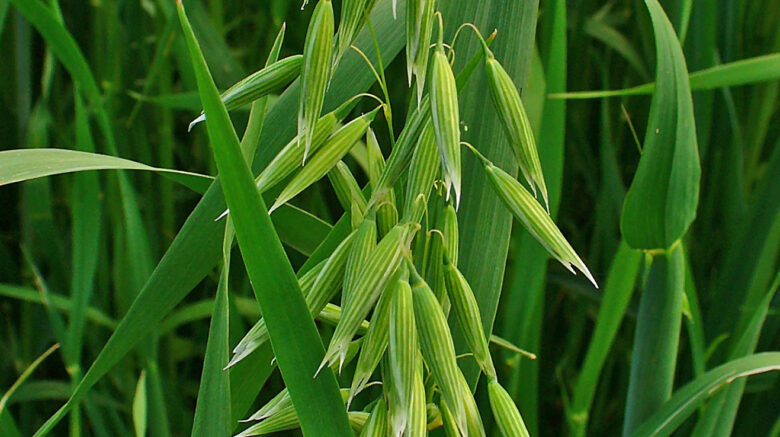
Avena L. – Genus Order: Poales Small (APG IV), Cyperales Hutch. (Cronquist)Family: Poaceae (R.Br.) Barnhart (syn.: Gramineae Juss.)Tribe: Aveneae Dumort.
Avena sativa L. – Monograph
Alleanza Verde – Green Alliance
Portale dedicato all'Alleanza tra il Popolo degli Uomini e il Popolo verde – A portal dedicated to the Alliance between the Race of Man and the Green People
Alleanza Verde – Green Alliance
Portale dedicato all'Alleanza tra il Popolo degli Uomini e il Popolo verde – A portal dedicated to the Alliance between the Race of Man and the Green People
Avena L. – Genus Order: Poales Small (APG IV), Cyperales Hutch. (Cronquist)Family: Poaceae (R.Br.) Barnhart (syn.: Gramineae Juss.)Tribe: Aveneae Dumort.
Avena L. – Genere Ordine: Poales Small (APG IV), Cyperales Hutch. (Cronquist)Famiglia: Poaceae (R.Br.) Barnhart (syn.: Gramineae Juss.)Tribù: Aveneae Dumort.
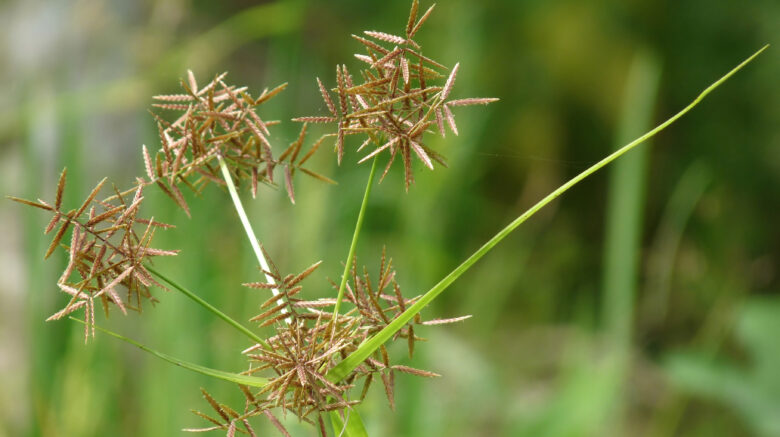
Order: Poales Small (APG IV); Cyperales Hutch. (Cronquist)Family: Cyperaceae Juss.Subfamily: CyperoideaeTribe: Cypereae Cyperus L. is a large plant genus which, according to World Flora Online, includes about one thousand different species [WFO]. Among these, well known plants are the papyrus (C. papyrus L.) and the umbrella papyrus (Cyperus alternifolius L.). C. rotundus L. is known both for its …
Ordine: Poales Small (APG IV); Cyperales Hutch. (Cronquist)Famiglia: Cyperaceae Juss.Sottofamiglia: CyperoideaeTribù: Cypereae Cyperus L. è un genere che, secondo World Flora Online, comprende circa mille specie diverse [WFO]. Tra le specie appartenenti a questo genere, molto conosciute sono il papiro (C. papyrus L.) e il falso papiro (Cyperus alternifolius L.). C. rotundus L. è noto sia per la …
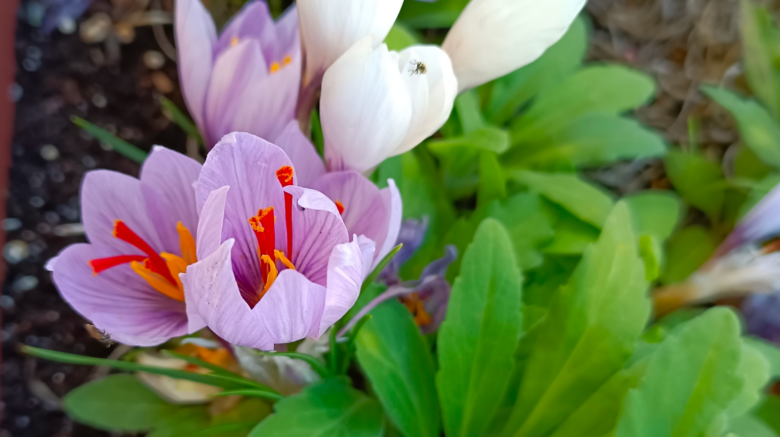
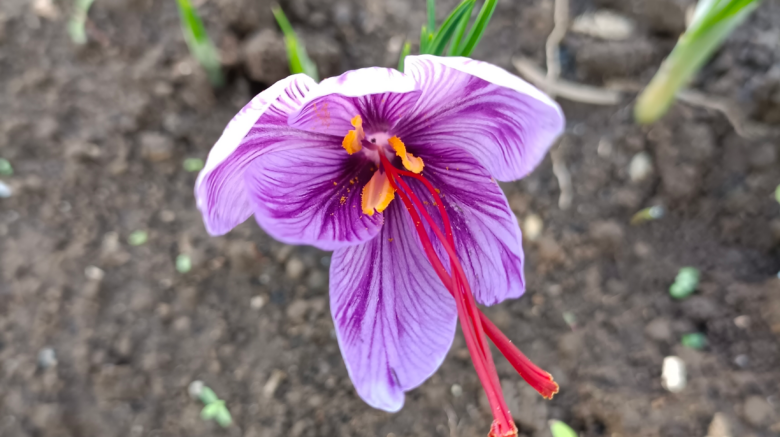
Order: Asparagales Link (APG IV), Liliales Perleb (Cronquist)Family: Iridaceae Juss.Tribe: Croceae Crocus L. species are bulbous (generally provided with a corm1) or, occasionally, rhizomatous geophytes. Both spring-flowering (e.g., C. vernus (L.) Hill. C. biflorus Mill.) and autumn-flowering (C. sativus L., C. cartwrightianus Herb., C. longiflorus raf.) species exist. The former usually bloom in early spring (C. vernus flowers …
Ordine: Asparagales Link (APG IV), Liliales Perleb (Cronquist)Famiglia: Iridaceae Juss.Tribù: Croceae Le piante del genere Crocus L. sono geofite bulbose (generalmente provviste di un cormo1) o, occasionalmente, rizomatose. Esistono specie di croco a fioritura primaverile (es., C. vernus (L.) Hill. C. biflorus Mill.) e a fioritura autunnale (C. sativus L., C. cartwrightianus Herb., C. longiflorus raf.). Le prime …
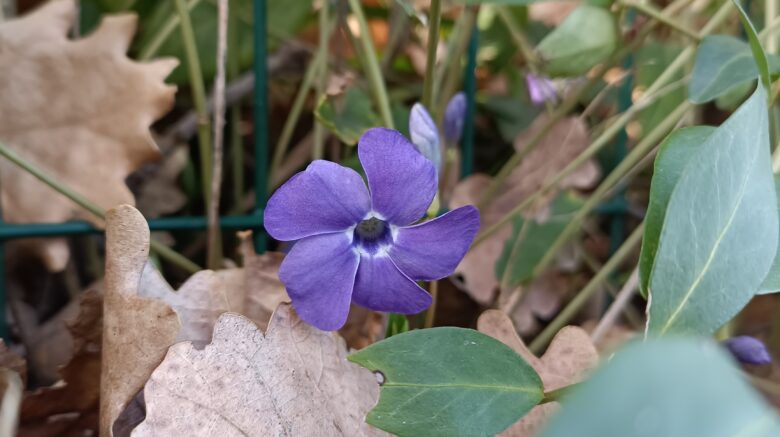
Order: Gentianales Juss. ex Bercht. & J.PreslFamily: Apocynaceae Juss.Tribe: Vinceae According to some authors, the name Vinca derives from the Latin vincire (to tie), because of the thin and flexible stems, while according to others it derives from the verb vincere (to win), perhaps as an allusion to the ability of the herb to fight diseases or to withstand …
Ordine: Gentianales Juss. ex Bercht. & J.PreslFamiglia: Apocynaceae Juss.Tribù: Vinceae Secondo alcuni autori, il nome Vinca deriva dal latino vincire (legare), per i fusti sottili e flessibili, mentre per altri deriva dal verbo vincere, forse per un’allusione alla loro capacità di contrastare le malattie o di sopportare bene le ingiurie del tempo. [Peroni] Il genere Vinca conta 6 specie …
Artemide e le dee vergini Britomarti, Dictinna, Afea Britomarti, Britomartis (greco: Βριτόμαρτις) o ancora Britomarpis1 era un’antica divinità adorata principalmente nella Creta minoica. Dea delle montagne e della caccia, protettrice dei cacciatori, dei pescatori e dei marinai, fu talvolta identificata con l’egineta Afea (o Afaia). Secondo alcuni autori, era anche venerata come Dictinna (Δίκτυννα, Dictynna).
Artemis and the maiden goddesses Britomartis, Diktynna, Aphea Britomartis (Greek: Βριτόμαρτις) or, more appropriately, Britomarpis1 was an ancient goddess who was primarily worshipped in Minoan Crete. Goddess of mountains and hunting, patroness of hunters, fishermen and sailors, she was sometime identified with the Aeginetan Aphaea (or Aphaia). According to some authors, she was also revered as Dictynna (Δίκτυννα).